


White-sand beaches, mountains covered in coffee plantations, humpback whales in Samaná Bay… The Dominican Republic can be visited all year round. But depending on the month and the region, your trip will be very different. It’s cooler in Jarabacoa, the south-west stays dry, the north coast gets more rain in winter, and hurricane season takes a little planning.
We live here and experience this climate every day. Here is our guide to know when to visit the Dominican Republic based on your wishes, your itinerary and your budget.


Best time to visit the Dominican Republic: the short answer
- The best period: December to April. It’s the dry season, with plenty of sunshine, less humidity and temperatures around 28-30 °C (82-86 °F) on the coasts.
- To see humpback whales: mid-January to late March, in Samaná Bay.
- Best value for money: May, June and November. The weather is good most of the time, there are fewer people and prices drop.
- The period to plan carefully: August to October, the heart of hurricane season. You can absolutely travel then, with a flexible itinerary and an agency on the ground.
Understanding the Dominican climate
The Dominican Republic has a tropical climate: it’s warm all year, with highs between 28 and 32 °C (82-90 °F) on the coast. There are two main seasons:
- The dry season, December to April. Sunshine dominates, the trade winds cool the air and nights are milder. It’s also the high tourist season.
- The wet season, May to November. It’s hotter and more humid, with tropical showers that are often short, in the late afternoon. They rarely spoil a whole day.
But these two seasons don’t arrive at the same time everywhere. The island is mountainous and its terrain creates real microclimates. For a trip covering several regions, this is the most important thing to remember.

When to go by region
| Region | Best period | Rainiest months | Good to know |
|---|---|---|---|
| Santo Domingo and south coast (Bayahibe, Saona) | December to April | May and October | February and March are the driest months. |
| Punta Cana and the east | December to April | September to November | The most consistent area of the island all year. |
| Samaná Peninsula | February to April, then June to September | November to January | Lush vegetation, as it rains all year. |
| North coast (Puerto Plata, Cabarete) | February to September | November to January | June is often the driest month. |
| South-west (Barahona, Pedernales) | All year, especially November to April | May, September and October | Semi-arid region, the driest in the country. |
| Mountains (Jarabacoa, Constanza) | December to April | May and October | It is cool: in Constanza, January nights drop to around 9 °C (48 °F). |
This paradox is worth knowing. In December and January, the south coast is in the middle of the dry season while the Samaná Peninsula still gets showers. Conversely, in summer, Samaná and the north coast are often more pleasant than Santo Domingo. A good Dominican Republic road trip takes these differences into account when ordering the stops.


The Dominican Republic month by month
December to April: high season
This is the ideal time for a first trip. The weather is stable, the air drier, and it’s the perfect time to combine beaches, culture and hiking. The trails of the Cordillera Central are accessible and rafting in Jarabacoa is done in good conditions.
The downside: it’s the most popular period. The holiday season, February vacations and Semana Santa (Easter week) push prices up and fill boutique hotels. During Semana Santa, Dominicans themselves flock to the beach, so the best-known spots get very busy. For these dates, book 3 to 6 months in advance.
May and June: our favorite period
The rainy season begins, but showers are short and the sun quickly returns. The tourists have left, prices drop and nature is a vibrant green. June is an excellent month for the Samaná Peninsula and the north coast, often drier than the south at this time.
July and August: summer holidays
It’s hot and humid, around 32 °C (90 °F), and it’s school holiday time. Hurricane season has started, but July is a low-risk month. It’s a good time for families, with the sea at 29 °C (84 °F), and for breezy regions: Samaná, the north coast or the cool mountains.
September to November: low season
This is the heart of hurricane season and the rainiest period across much of the island. Prices are at their lowest and sites are almost empty. Traveling at this time is still possible, as long as you keep a flexible itinerary, take out cancellation insurance and use an agency able to adapt your program. November often marks the return of good weather on the south coast.


When to go based on what you want
To see humpback whales: mid-January to late March
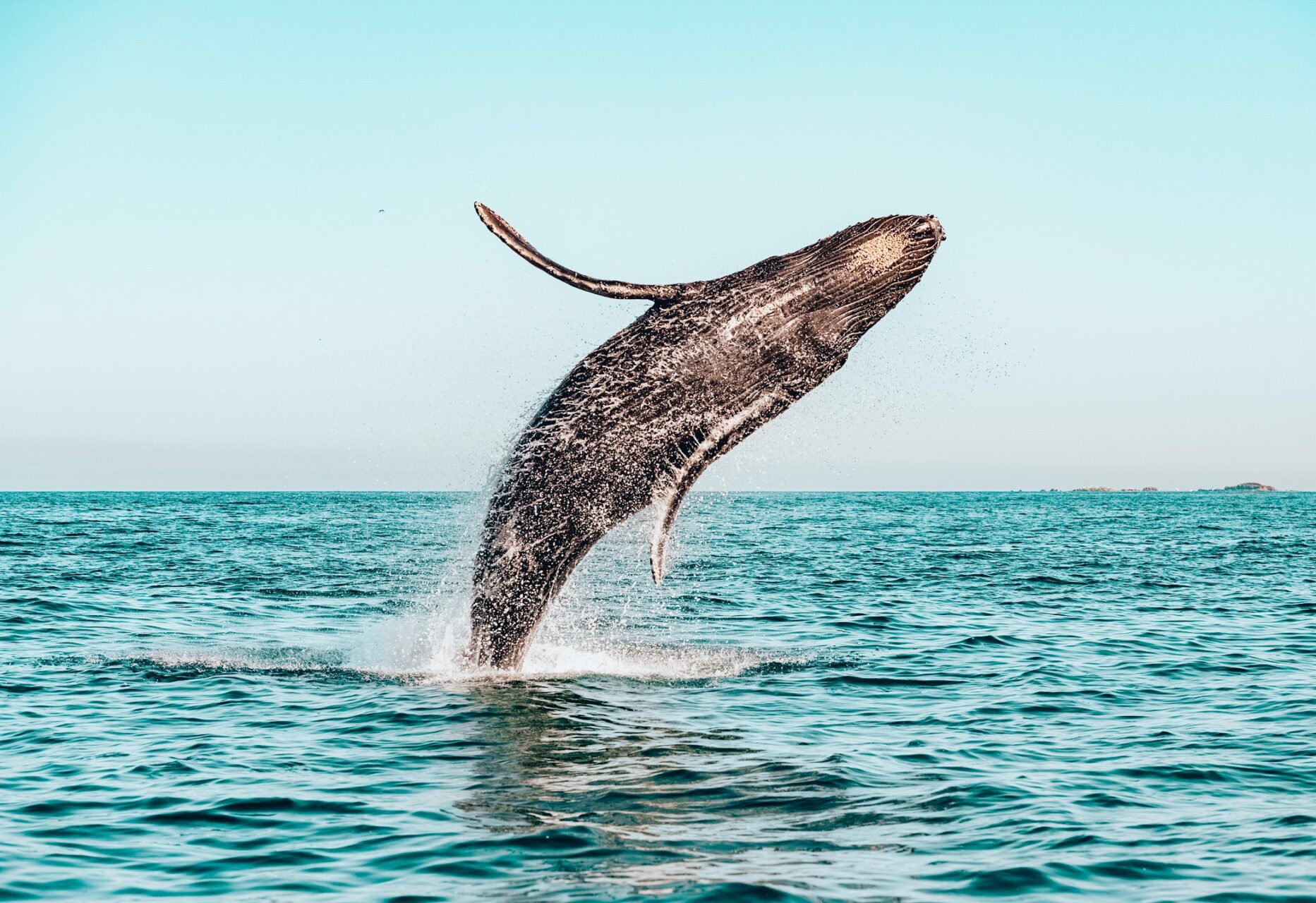
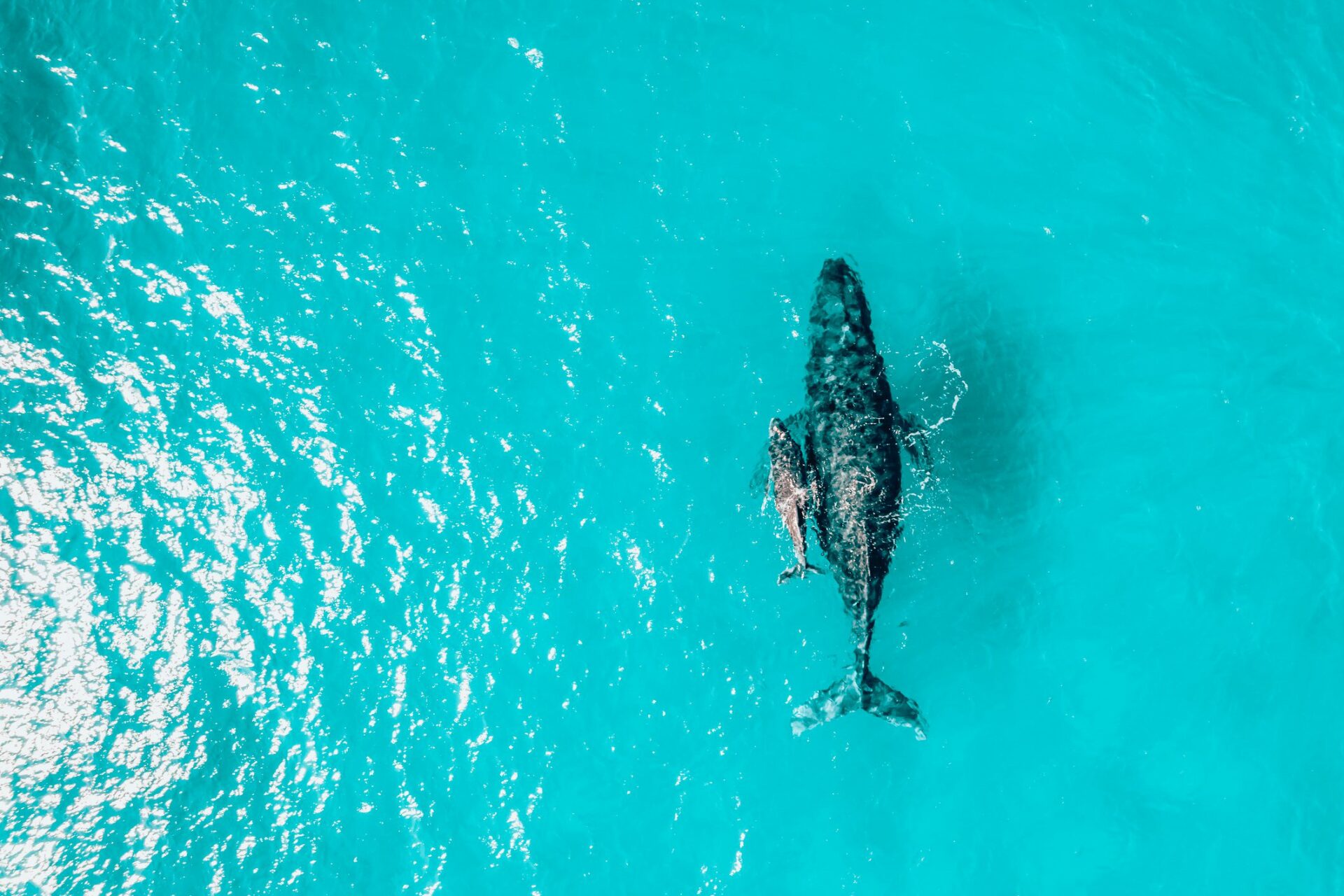
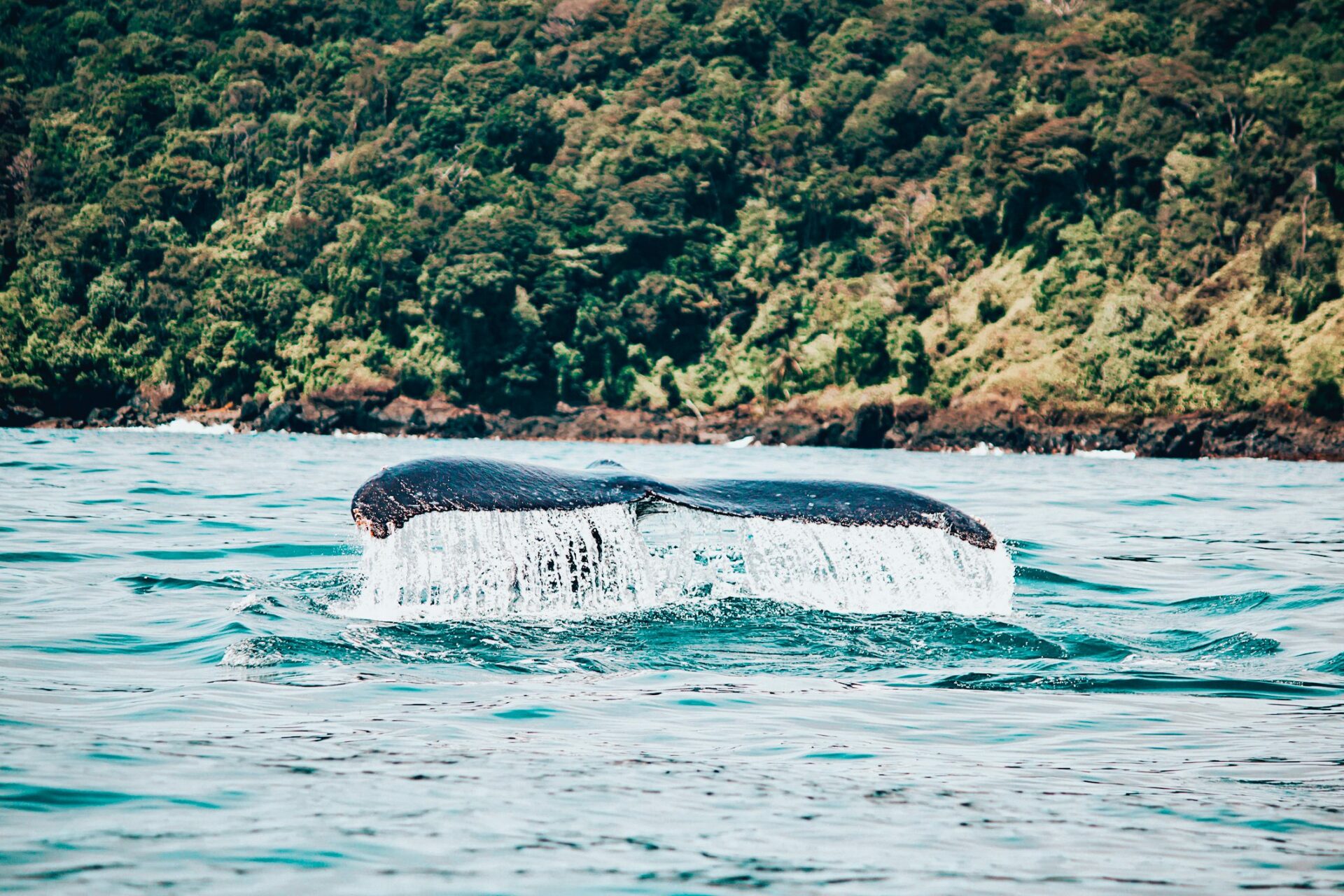
Every winter, thousands of humpback whales come to mate and give birth in the warm waters of Samaná Bay. It’s one of the most beautiful natural spectacles in the Caribbean. Sightings usually peak in February. We organize whale watching trips in Samaná with operators who follow the approach rules.
A word from Célia, founder of Holaqueya
“Every year, whale season remains my favorite memory. I love going with my family: seeing these giants burst out of the water, blow, then disappear beneath the surface is a thrill that never fades. To live this moment, we always go out with Nicolas, our guide. To me, he’s simply the best guide on the peninsula.”
For carnival: February
Dominican carnival livens up the whole country every Sunday in February. La Vega’s carnival, with its diablos cojuelos in spectacular masks, is the most famous. February 27, Independence Day, is also a highlight.
For hiking and the mountains: December to April
Trails are drier and views clearer. Bring a fleece for Constanza and Jarabacoa: the contrast with the coast always surprises our travelers. It’s also the right season for the El Limón waterfall hike.

For beaches and snorkeling: all year
The sea stays between 26 and 29 °C (79-84 °F) all year. For clear, calm water, the south coast is ideal from December to June: Saona Island, the Padre Nuestro cave in Bayahibe. In winter, the south-west and its Bahía de las Águilas offer some of the most unspoiled beaches in the country.


On a budget: May, June, September, November
These are the least popular months. Flights, hotels and car rental are much cheaper, and the welcome feels even more authentic.
Hurricane season: should you worry?
The Atlantic hurricane season runs from early June to late November. Risks are higher from August to October. In practice, a hurricane directly hitting the island is rare, and storms are announced several days in advance. The main risk is a day of heavy rain, sometimes with mountain roads closed.
Our tips for traveling with peace of mind during this period:
- Take out travel insurance covering cancellation and weather events.
- Keep one or two buffer days in your itinerary.
- Choose a local agency in the Dominican Republic: on the ground, we follow the weather in real time and reorganize your program if needed.
Frequently asked questions
February and March are the driest months across most of the island. They’re also the best months to see whales in Samaná. If you want fewer crowds and lower prices, go in May or June.
September is generally the cheapest month, followed by May, June and November, outside school holidays.
Tropical showers are intense but short, often at the end of the day. It rarely rains all day except when a storm passes through.
Never on the coasts. In the mountains, however, in Constanza or on Pico Duarte, winter nights can be cool, even cold at altitude. Bring warm clothes if you go.
Allow 10 to 15 days to discover several regions without rushing. See for example our itinerary Culture and paradise beaches, from Bayahibe to Samaná, or all our tours in the Dominican Republic.
Still unsure about your dates? Tell us what makes you dream: we’ll advise you on the best time to go, then build a tailor-made trip with you adapted to the season. Contact our local team.