



Traveling to the Dominican Republic isn’t only about its dreamy beaches, green mountains and vibrant culture: it’s also about immersing yourself in the way people speak. The official language is Spanish, but like everywhere in the world, the country has its own local expressions and slang that reflect its unique identity. Knowing a few Dominican words before you go will enrich your trip and help you connect more authentically with locals. Here is a guide to the essential words and phrases.
1. ¡Klk!
“Klk”, pronounced “keh-loh-keh” (qué lo qué), is one of the most iconic Dominican expressions. It’s the local equivalent of “How’s it going?” or “What’s up?”. Very casual, it’s often used between friends to start a conversation.
Example:
- A: ¡Qué lo qué, hermano! (What’s up, bro?)
- B: ¡Todo bien, hermano! (All good, bro!)
2. Tíguere
A “tíguere” is a street-smart, resourceful person who knows how to make the most of every situation. It’s an iconic street figure, always able to get by in difficult circumstances.
Example:
- Ese chico es un verdadero tíguere. (That guy is a real tíguere.)
3. Concho
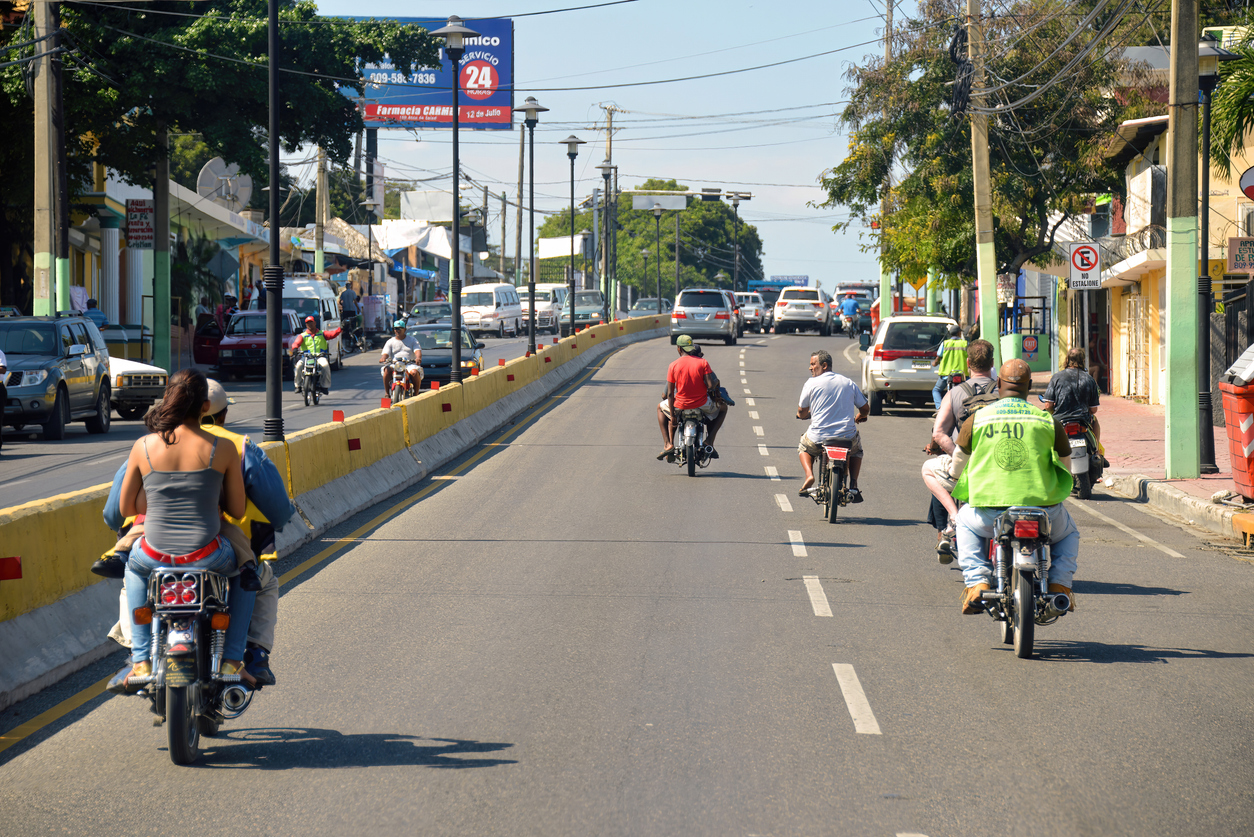
A “concho” is a very popular means of transport, especially in cities: a shared taxi, either a car or a motorbike, that follows a fixed route. “Conchar” means taking a concho.
Example:
- Vamos a tomar un concho para llegar más rápido. (Let’s take a concho to get there faster.)
- Motoconcho = motorbike taxi with a driver.
4. Chin
You’ll hear “chin” all the time. It means “a little bit”: use it to ask for a small amount of something or to say you have a little time left.
Example:
- Dame un chin de agua, por favor. (Give me a little water, please.)
5. Jeva / Jevo
These words mean girlfriend and boyfriend. They’re used informally, by young people but also by adults.
Example:
- Ella es mi jeva 🙂 (She’s my girlfriend.)
6. Pana
“Pana” is the Dominican word for “buddy” or “friend”. Used constantly in everyday conversation, it’s an affectionate term for someone you’re close to.
Example:
- Vamos a salir con los panas este fin de semana. (We’re going out with the guys this weekend.)
7. Vaina
One of the most versatile words in Dominican Spanish, “vaina” can mean almost anything: an object, a situation or even a problem, depending on the tone and context.
Example:
- Esta vaina no funciona bien. (This thing doesn’t work properly.)
8. Guagua
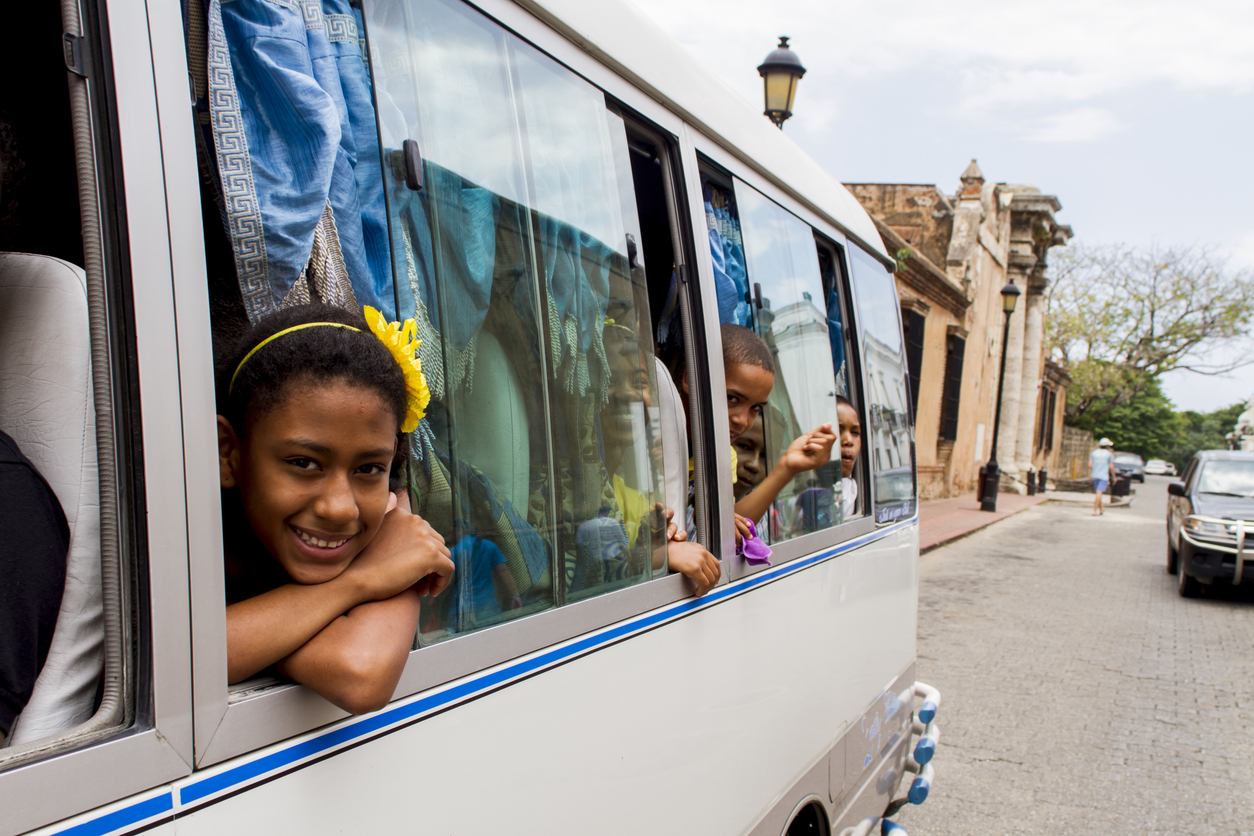
A “guagua” is a local bus, used to get around cities or travel between provinces. Guaguas are cheap and one of the most common ways to get around.
Example:
- Tenemos que tomar la guagua para ir a la playa. (We have to take the bus to go to the beach.)
Why learn these expressions?
These words are much more than everyday terms: they’re part of Dominican culture. Using them, even a little, shows an interest in the local culture, which Dominicans really appreciate. Besides making interactions easier, they’ll help you understand cultural nuances, especially in informal settings like markets and beaches.
Want to learn some Spanish before your trip?
Planning a trip to the Dominican Republic and want to learn the basics of Spanish? With Jessica from Punto y Coma, our partner, enjoy a fun 2-hour pack to learn the essentials, with individual lessons partly tailored to the theme of your trip. Two packs are available: Discovery for beginners and Immersion for intermediate learners.
Click here to book your discovery call. ¡Hasta pronto!